
Energy bills aren't getting any cheaper. If you're a UK business owner watching your electricity costs climb year after year, you've probably thought about commercial solar installation as a way to take back control.
And you'd be right to consider it. Commercial solar panels UK businesses are installing today can slash energy bills by 50-70%, reduce carbon footprints, and even generate income through the Smart Export Guarantee. But here's the thing: not all solar projects deliver on their promise.
We've seen plenty of businesses make costly mistakes that turn what should be a smart investment into an expensive headache. The good news? Every single one of these mistakes is avoidable.
Let's walk through the seven most common pitfalls we see with commercial solar installation in the UK: and exactly how to sidestep them.
Mistake 1: Skipping a Proper Site Assessment and Custom Design
This one's a biggie, and it happens more often than you'd think.
Some installers will quote you a system based on a quick look at Google Earth and your electricity bills. That might work for a straightforward residential job, but commercial properties are a different beast entirely. Warehouses, factories, office blocks, and retail units all have unique characteristics that demand proper attention.
A rushed assessment means you could end up with panels in shaded spots, a system that doesn't account for roof obstructions, or a design that simply doesn't maximise your available space.
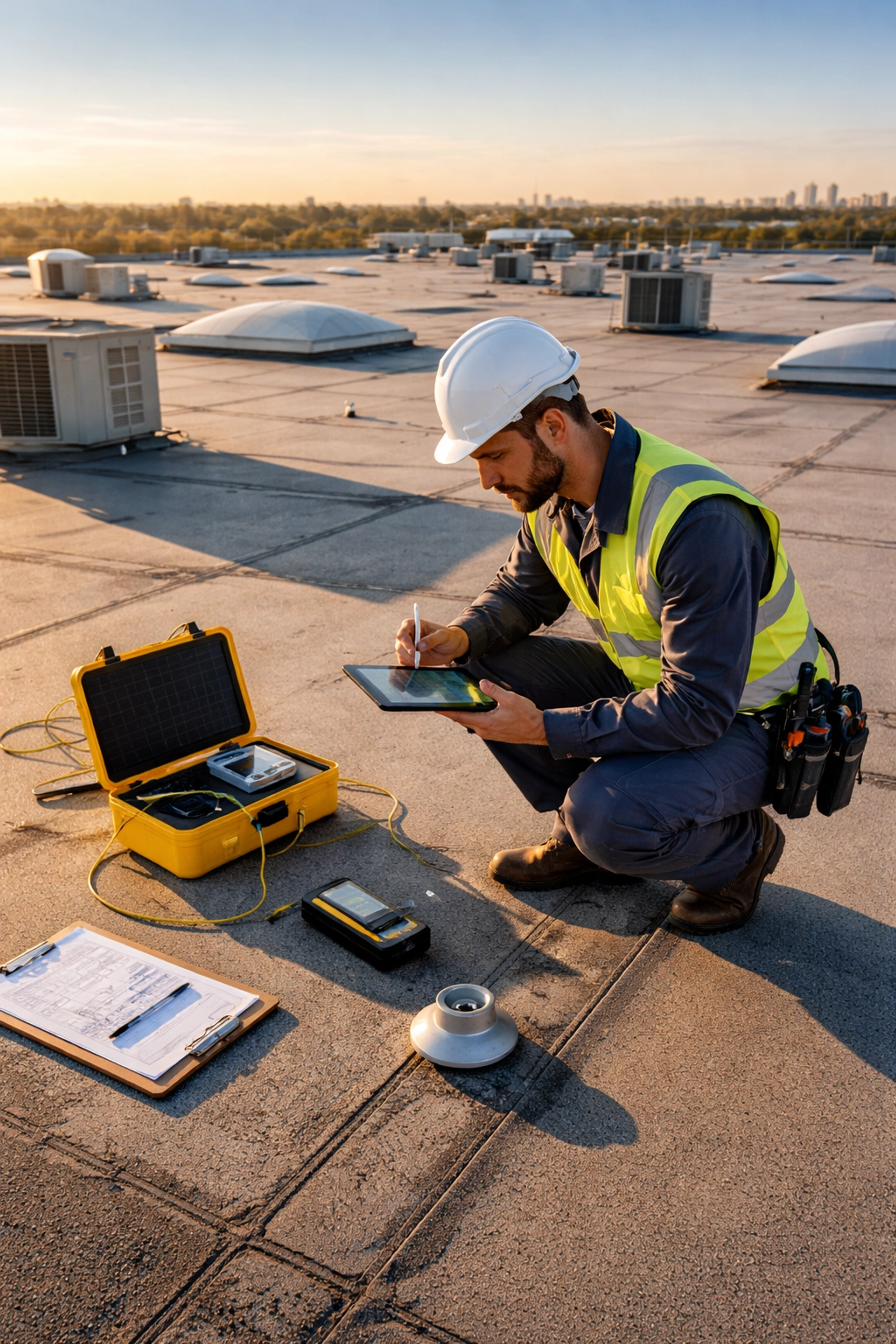
The fix: Insist on a comprehensive on-site survey before any quote is finalised. This should include detailed shading analysis, roof measurements, structural assessments, and a thorough review of your energy consumption patterns. At Live Solar, we use solar pathfinders and irradiance meters to map exactly how much usable sunlight hits your roof throughout the year: because guesswork just doesn't cut it.
Mistake 2: Underestimating Roof Capacity and Suitability
Your roof might look perfect for solar from the ground, but looks can be deceiving.
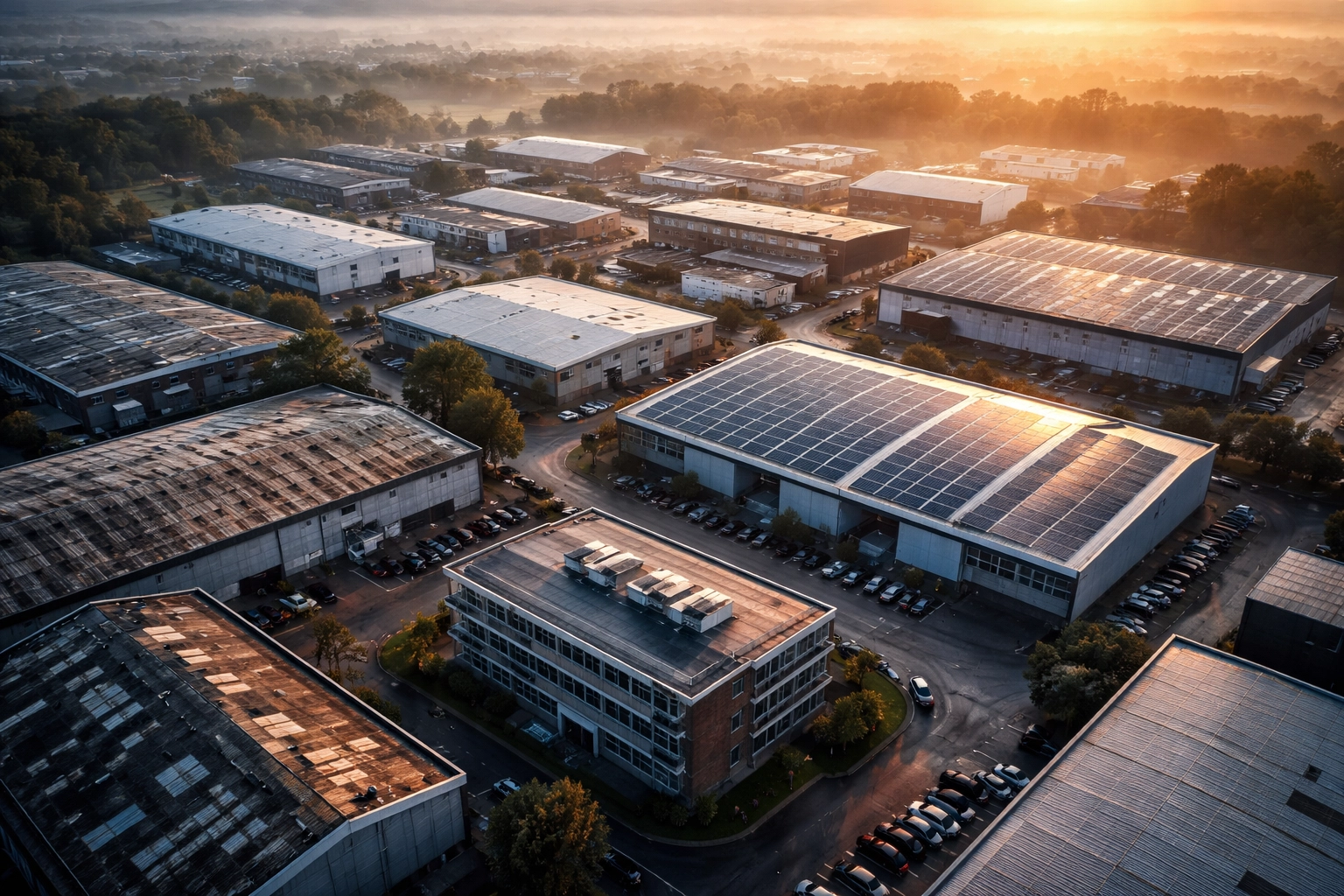
Commercial roofs: especially on older industrial buildings: often have issues that aren't immediately obvious. Weight-bearing capacity, drainage systems, existing penetrations, and the condition of the roof membrane all need careful consideration. Get this wrong, and you're looking at potential structural damage, leaks, or a system that needs to come down for roof repairs within a few years.
Flat roofs common on warehouses and manufacturing facilities present their own challenges around water pooling and weight distribution.
The fix: Commission a structural survey before committing to any installation. If your roof needs repairs or reinforcement, it's far better (and cheaper) to sort that out first. A good installer will work with structural engineers to design a mounting system that respects your building's limits while maximising panel coverage.
Mistake 3: Ignoring Future Energy Growth
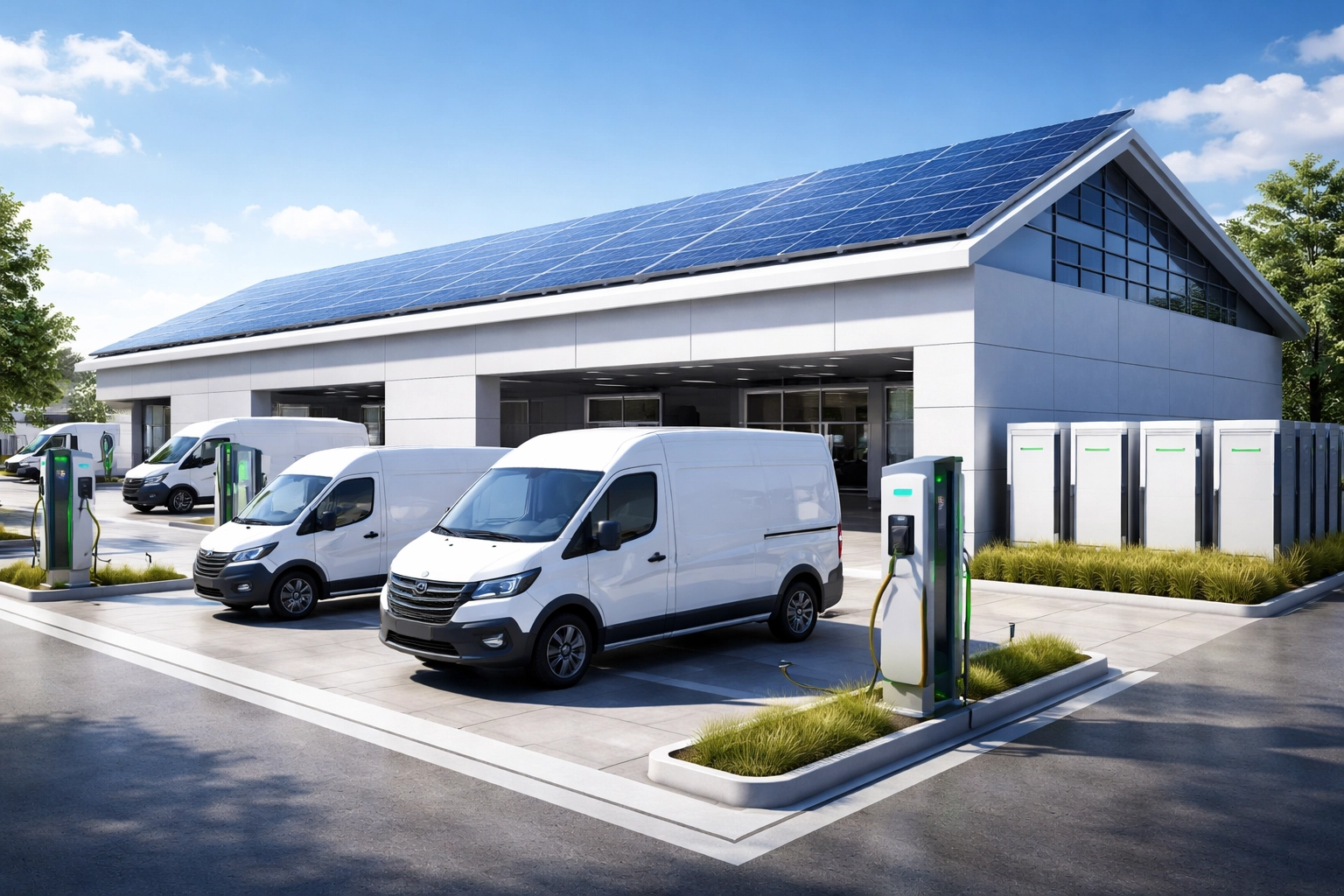
Here's a scenario we see all the time: a business installs a solar system sized perfectly for their current energy use. Two years later, they've added EV charging points for the company fleet, expanded their operations, or installed new equipment: and suddenly their "right-sized" system is woefully undersized.
Solar panels have a lifespan of 25-30 years. Your business probably won't stay static for that long.
The fix: Think ahead. When planning your commercial solar installation, factor in realistic growth projections. Are you considering electric vehicles? Planning to expand? Thinking about battery storage down the line? A well-designed system should have capacity for future additions, or at least be easily expandable. It's much more cost-effective to slightly oversize now than to retrofit later.
Mistake 4: Not Checking for Proper Accreditations (MCS, NAPIT, RECC)
This mistake can cost you in ways you might not expect.
In the UK, legitimate solar installers should hold relevant accreditations. MCS (Microgeneration Certification Scheme) certification is particularly important: without it, you won't be eligible for the Smart Export Guarantee, which pays you for surplus energy exported to the grid. NAPIT certification confirms electrical competence, while RECC membership provides consumer protection.
We've heard too many stories of businesses hiring unaccredited installers to save a few quid, only to find themselves ineligible for incentives, struggling with warranty claims, or dealing with substandard work that fails inspections.
The fix: Always verify accreditations before signing anything. Check the MCS database directly, ask for proof of insurance, and look for memberships with bodies like RECC or the Solar Trade Association. As a veteran-owned company, we at Live Solar take our professional standards seriously: it's about doing things the right way, not just the easy way.
Mistake 5: Choosing the Cheapest Quote Over Quality and Efficiency
We get it. Budgets matter. But when it comes to commercial solar panels UK businesses rely on for decades, the cheapest option rarely delivers the best value.
Lower quotes often mean cheaper panels with lower efficiency ratings, inferior inverters that fail sooner, corner-cutting on installation quality, or reduced warranties. That "bargain" system might produce 15-20% less energy than a quality alternative: and that gap compounds every single year for the next quarter-century.
The fix: Compare quotes on a like-for-like basis. Look at panel efficiency ratings, inverter specifications, warranty terms, and the installer's track record. Calculate the cost-per-kWh over the system's lifetime, not just the upfront price. A slightly higher investment in quality components almost always pays for itself through better performance and fewer headaches.
Mistake 6: Overlooking Maintenance and Real-Time Monitoring
"Fit and forget" might sound appealing, but it's a recipe for underperformance.
Solar systems are relatively low-maintenance, but they're not zero-maintenance. Panels get dirty. Inverters can develop faults. Connections can degrade. Without proper monitoring, you might not notice a problem for months: or even years: losing money the entire time.
The fix: Invest in a system with robust real-time monitoring capabilities. At Live Solar, we're particularly proud of our cutting-edge monitoring technology that lets you track performance down to individual panel level. You'll know immediately if something's not right, and you can address issues before they become expensive problems. Pair this with a scheduled maintenance plan, and your system will keep performing at its best for decades.
Mistake 7: Forgetting About Financing and Tax Incentives
Here's where businesses leave serious money on the table.
Many UK business owners don't realise the tax advantages available for commercial solar installation. Capital Allowances allow you to deduct the full cost of qualifying solar equipment from your taxable profits: potentially saving thousands. There are also various financing options, from outright purchase to leasing arrangements and Power Purchase Agreements (PPAs), each with different implications for cash flow and tax treatment.
The fix: Speak to your accountant before committing to any installation. Understand how Capital Allowances apply to your situation, explore the financing options available, and factor these into your ROI calculations. The true cost of going solar is often much lower than the sticker price once you account for tax benefits.
Getting Commercial Solar Right
Commercial solar installation represents a significant investment: and a significant opportunity. Get it right, and you'll enjoy decades of reduced energy costs, protection against rising prices, and genuine environmental benefits. Get it wrong, and you're stuck with an underperforming asset that never delivers on its promise.
The common thread running through all these mistakes? Rushing into decisions without proper due diligence, or prioritising short-term savings over long-term value.
At Live Solar, we've built our reputation on doing things properly. As a veteran-owned business, we bring a commitment to precision, reliability, and honest communication to every project. We've helped businesses across the UK: from local manufacturers investing over £200,000 in large-scale systems to smaller commercial operations: navigate the complexities of solar installation and come out ahead.
If you're considering commercial solar panels for your UK business, we'd love to chat. No pressure, no hard sell: just honest advice about whether solar makes sense for your situation and how to avoid the pitfalls that trip up so many others.
Your energy future is too important to leave to chance.